 Get in touch
Projects, Medical
A temporary scaffold for permanent biological repair
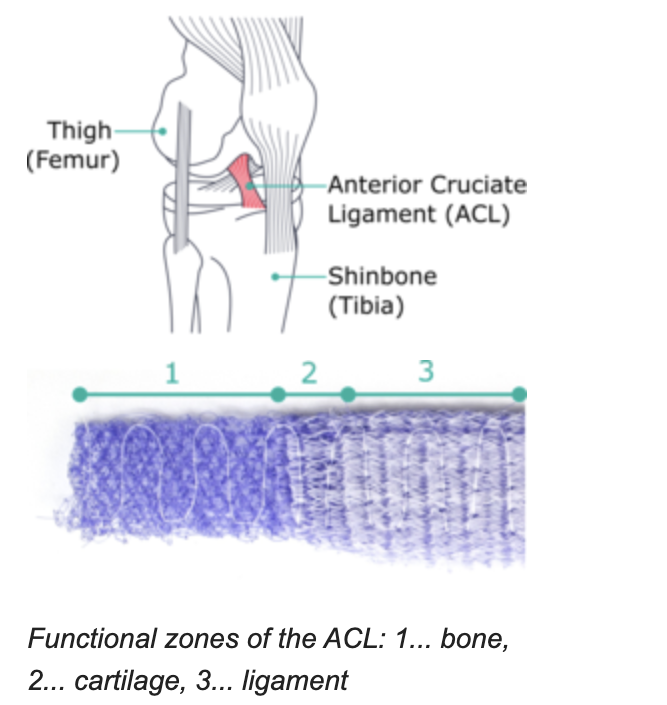
We are developing a fully resorbable ACL scaffold from natural spider silk, designed to provide mechanical support while new ligament tissue forms and progressively replaces the scaffold.
Medical Programme
ACL regeneration
The clinical problem. Anterior cruciate ligament injuries are among the most common serious knee injuries. Current reconstruction typically uses a patient’s own tendon or donor tissue, while synthetic grafts offer an alternative. Each approach has limitations, including donor-site morbidity, integration, and long-term performance.
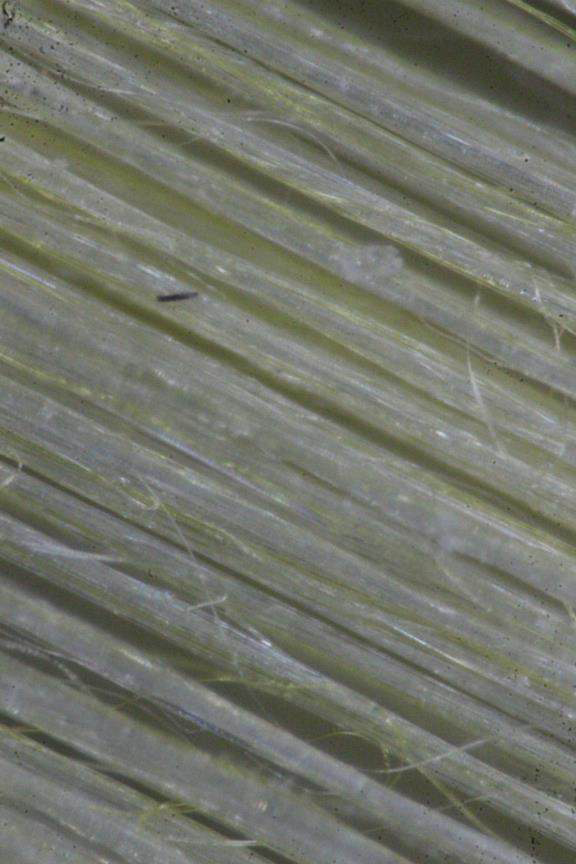
Why spider silk. Natural spider silk combines exceptional mechanical performance with biological compatibility. Its strength, toughness, and fibrous structure make it an intriguing material for developing new approaches to ligament regeneration.
The scaffold concept
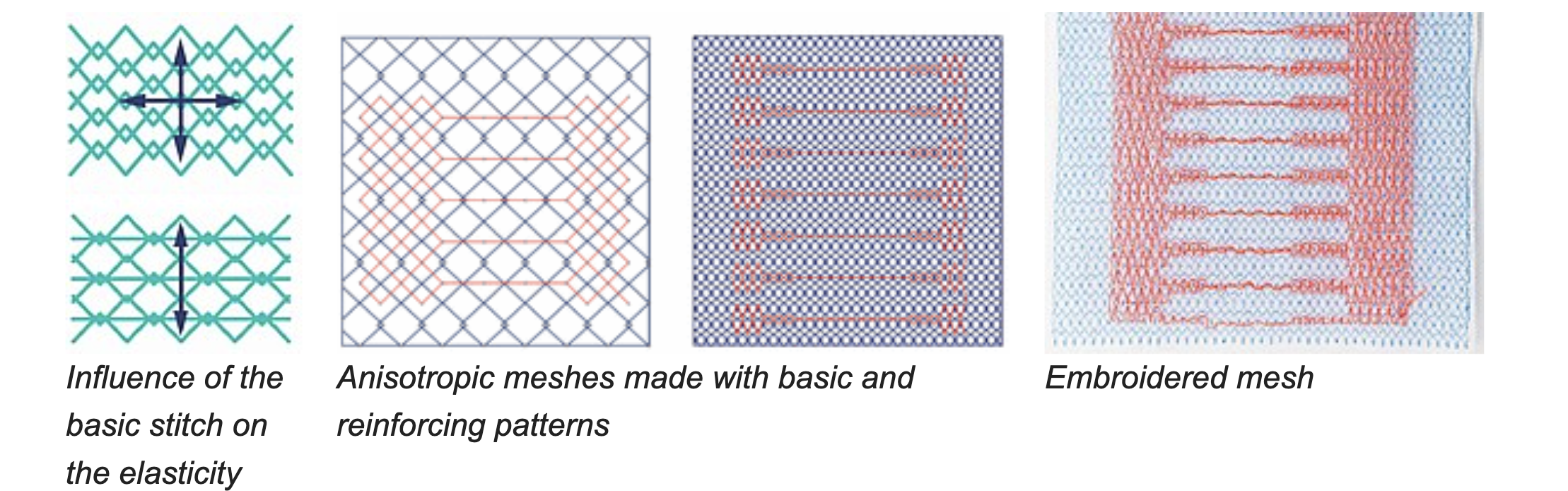
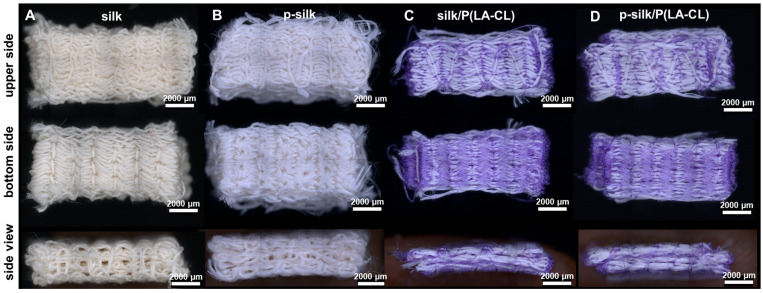
Machine-embroidered natural spider silk. The silk is embroidered into a structured scaffold designed for ACL regeneration. The textile architecture allows the fibres to be arranged in defined patterns and orientations while maintaining the properties of the natural silk.
Where the research stands
The programme is currently in the feasibility stage, with work focused on scaffold design, machine embroidery, and mechanical characterisation. The next stage is preclinical evaluation, including in vivo testing.
Research Collaboration
The people behind the programme
The ACL programme brings together researchers with expertise spanning regenerative medicine, biomaterials, polymer science, and orthopaedic tissue engineering.
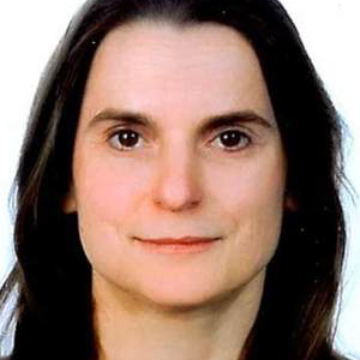
Dr. Gundula Schulze-Tanzil
Orthopaedic & Ligament Research
Paracelsus Medical University, Nuremberg, Germany
A researcher specialising in musculoskeletal biology, ligament research, and tissue regeneration. Her work includes the investigation of biomaterials and tissue engineering approaches for orthopaedic applications.
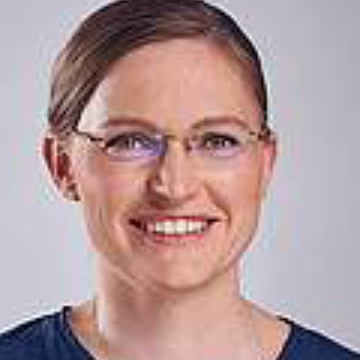
Dr. Cindy Elschner
Polymer Materials & Scaffold Engineering
Leibniz Institute of Polymer Research Dresden, Germany
Works in polymer materials research and the development of advanced fibre and scaffold systems. Her research contributes expertise in material processing and the fabrication of structured biomaterials for tissue engineering.

Dr. Nupur Kohli
Biomaterials & Regenerative Medicine
Khalifa University, UAE
A biomedical engineer and researcher working in biomaterials, tissue engineering, and regenerative medicine. Her research focuses on developing biomaterial systems that support tissue repair and their translation toward clinical applications.
A multidisciplinary programme. Together, the researchers bring complementary expertise across natural silk, biomaterials, polymer science, textile engineering, and orthopaedic research, connecting material development with biological evaluation and future preclinical studies.
Development Pipeline
Where the programme sits
Feasibility
Scaffold design & mechanical validation
Preclinical
In vivo testing & safety
Regulatory
Submission & review
Clinical
First-in-human study
Our medical programmes are developed through peer-reviewed research, transparent reporting, and rigorous evaluation at every stage. We publish our findings as the evidence develops.
Methodology
We are committed to transparent, peer-reviewed science, rigorous data integrity, honest reporting of stage and limitation, and publication of results as the programmes mature.
Research Collaboration
Interested in collaborating on our research?
We welcome academic, clinical, and industry partners interested in advancing natural spider silk for regenerative medicine.